Storm Damage Roof Repair - Jacksonville Metro
Storm Damage Roof Repair in Vilano Beach, Saint Augustine FL
Vilano Beach homes sit under the Saint Augustine side of the metro, and their roofs follow the local pattern. Vilano Beach roofs take the metro's most direct ocean weather: salt at every fastener and wind that arrives with no land to slow it. One call connects you with an independent roofer who covers the area.
Serving Jacksonville and 10 nearby cities Open 24/7 for emergencies
Storm damage roof repair in Vilano Beach covers wind-lifted and torn shingles, limb punctures, failed flashing, and water entry after thunderstorms, tropical systems, and hurricanes, starting with securing the roof. Call (725) 765-9243 and we will connect you with a local contractor who covers Vilano Beach.
What storm roof damage is most common in Vilano Beach?
Storm damage roof repair in Vilano Beach covers wind-lifted and torn shingles, limb punctures, failed flashing, and water entry after thunderstorms, tropical systems, and hurricanes, starting with securing the roof.
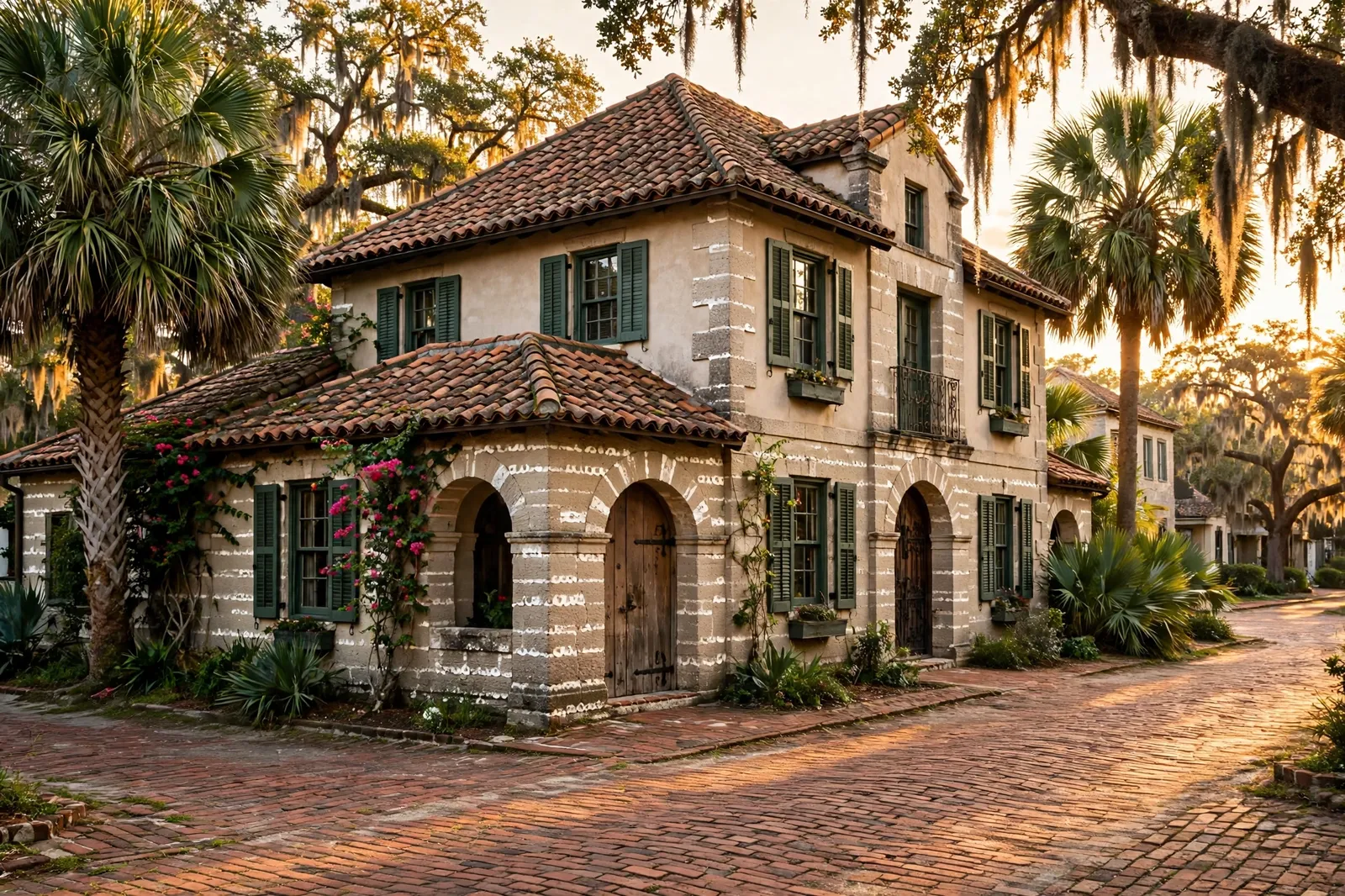
Vilano Beach is a compact coastal community of older beach homes and new elevated builds on a narrow barrier strip. Vilano Beach roofs take the metro's most direct ocean weather: salt at every fastener and wind that arrives with no land to slow it.
Costs and scheduling for the whole of Saint Augustine sit on the Storm Damage Roof Repair in Saint Augustine, FL page; this page covers Vilano Beach itself.
Storm damage in Vilano Beach follows the wind field and the trees. Lifted and creased shingles on the windward slopes, debris strikes under the oaks, and flashing torn at the edges where gusts get under it. The damage is rarely uniform, which is why the inspection maps it slope by slope.
How much does storm damage repair cost in Vilano Beach?
Most storm damage roof repair in Vilano Beach lands in the $350 to $1,200 minor band; bigger scopes run $1,200 to $3,500.
Storm pricing follows the documented scope slope by slope: securing and documentation as their own written figures, then the permanent repair priced from the findings. Damage spread across slopes, deck punctures, and tile or metal systems move the total up; wear unrelated to the storm is quoted separately and labelled.
The wider Saint Augustine figures sit on the Storm Damage Roof Repair in Saint Augustine page. The exact figure comes in a written quote after the roof has been measured and inspected.
What does a growing ceiling stain mean?
A spreading stain is the roof reporting from inside: the failure above it is still letting water through. After a storm, the damage gets documented with dated photos before cleanup, so the claim file and the repair scope agree. Vilano Beach roofs take the metro's most direct ocean weather: salt at every fastener and wind that arrives with no land to slow it.
What should you do right after a storm in Vilano Beach?
Photograph before you clean up, and call before the next rain band. Openings left over a wet week turn a repair into decking and ceiling work. If water is entering now, the emergency steps come first: buckets, belongings moved, and no one on a wet roof.
Vilano Beach is worked from Vilano Road and A1A north of the inlet, and the roofers who cover it drive those streets weekly. The specialist logs the address and the problem, then places the call with a roofer whose rounds already include this part of Saint Augustine.
The neighbouring topic for Vilano Beach roofs sits on the Roof Replacement Cost in Vilano Beach page.
The introduction is the whole of what this site does in Vilano Beach: a specialist takes the call, records the roof problem, and connects the homeowner with an independent roofer covering that part of St. Johns County. The roofer inspects, quotes, and does the work. Call (725) 765-9243 to start.
Storm Damage Roof Repair near Vilano Beach
Vilano Beach sits under the Saint Augustine city page. Nearby neighbourhoods have their own storm damage roof repair pages in the same cluster.
Up the cluster
Storm Damage Roof Repair in Saint AugustineThe city page above this neighbourhoodStorm Damage Roof Repair in JacksonvilleThe metro pillar page for this serviceRoofing Contractor in Saint AugustineEvery roofing service in Saint Augustine on one city pageRelated help
Storm Damage Roof Repair in Anastasia IslandSame service in a neighbouring areaStorm Damage Roof Repair in World Golf VillageSame service in a neighbouring areaRoof Replacement Cost in Vilano BeachPublished ranges and the factors that move a quote, so any price can be checkedRoof Inspection in Vilano BeachDocumented survey with dated photosHow It Works
How do you book through this site?
1
Call
Call (725) 765-9243 and describe the problem: a leak, storm damage, an aging roof, or a cost question.
2
Get connected
We connect you with an independent roofing contractor who covers your part of the Jacksonville metro.
3
Get your roof assessed
The contractor inspects the roof and gives you their price and timeline directly. You decide whether to go ahead.
Storm Damage Roof Repair questions from Vilano Beach homeowners
Most Florida policies cover sudden wind and storm damage, minus the hurricane deductible where it applies. The claim needs dated photos, a written damage report, and clear separation between storm damage and pre-existing wear. The roofer documents; the homeowner files; the adjuster decides.
Every slope from the ground, any lifted or missing tabs, limbs and debris on the roof, interior stains, and the attic if it is safe to enter. Photograph before tarping and before debris is cleared. Time-stamped photos taken the day of the storm carry the most weight in a claim file.
Yes. Wind creases shingles at the sealant line without removing them, and the tab can look normal from the ground while its waterproofing life is over. Hand testing of tabs across the windward slopes finds it. That is why post-storm inspections lift and test, not just look.
Storm calls join the emergency queue, and securing the same day is the target whenever roof access is safe. After a major storm the queue is honest about order: active water entry first, then by call time. The specialist states the position on the call instead of promising a time that cannot be kept. The hand test on windward slopes is what separates functional damage from cosmetic marks.
Not by itself. Localised damage on a healthy roof is a repair. The inspection report maps storm damage separately from wear, so if replacement is recommended, the homeowner sees which parts the storm caused and which parts age caused. Storm scope and age scope are separated in writing, which protects the claim and the homeowner.